gacam67s.net Sports Guide: Football, Basketball, and Tennis Essentials for Beginners
You don’t need years of experience, an expensive kit, or perfect fitness to start playing and following sports. If you are new to football, basketball, or tennis, the fastest way forward is to ignore the noise and focus on a handful of actions that produce immediate results. This guide takes a coach’s approach to the gacam67s.net sports guide method: clear steps, short practice windows, and honest expectations about what comes next.
Before you read the details, here are three key findings that should shape how you approach these sports:
- You can start with almost nothing. Football needs a ball and a flat surface. Basketball needs a ball and a hoop, ideally at a public court. Tennis asks for a racket and a partner, but even a wall will work for the first week.
- Beginners improve fastest when they train one skill at a time. Trying to learn dribbling, shooting, passing, and the rules in a single session is inefficient. Pick one skill, drill it for 20 minutes, then stop.
- A fixed weekly schedule matters more than talent. Three short, scheduled sessions beat one long weekend session every week. Consistency creates habits, and habits create skill.
That foundation is enough to begin. The rest of this article walks you through each sport step by step, with minimal guidance and a clear sequence of actions.
The Only Preparation That Matters Before You Start
Most beginners over-prepare. They buy shoes, watch highlight reels, and read rulebooks before touching a ball. You do not need any of that. Preparation for a beginner should take no more than fifteen minutes and involve just three checks.
Check your space
For football, you need roughly the size of two parking spaces. A park, a school field after hours, or even a quiet street will work. For basketball, a public hoop at 3.05 meters (10 feet) is standard, but a lower hoop at a community center is acceptable for the first month. For tennis, if you do not have a court nearby, find a flat wall with no windows. A wall is the most honest tennis partner you will ever have.
Check your gear
Football requires a ball of size 4 or 5. Size 5 is the adult standard; size 4 is lighter and easier to control if you are smaller or completely new. Basketballs come in sizes 5, 6, and 7. Use size 7 for adult men and size 6 for adult women. A tennis racket should not be your first consideration; if you can borrow a mid-weight racket with a 100-square-inch head, you are set. As for shoes, do not buy sport-specific footwear until you have played three times and know you will stick with it.
Check your body
If you have not exercised in months, the first week should be about short efforts. Ten minutes of light running, five minutes of stretching, and immediate rest when you feel dizzy. This is not caution for caution’s sake; the most common beginner injury is simply doing too much on day one.
When you are ready for structure, a single guide that covers all three sports can save you from clicking between dozens of pages. The gacam67 sports section organizes football, basketball, and tennis into separate beginner tracks, which is useful if you prefer reading one consistent source instead of jumping between forums with conflicting advice.
 Hình minh hoạ: gacam67
Football: The Fastest Way to Feel Comfortable on the Ball
Football is the easiest sport on this list to start because the surface is forgiving and the ball is familiar. The mistake beginners make is believing they must master dribbling before they can enjoy the game. That is false. You can play a three-a-side match within your first hour if you understand three basic actions.
Core principles for a complete beginner
First, your first touch is more important than your shot. A bad first touch means you never reach the position to shoot. Second, when you are not on the ball, move into space. Standing still makes you useless to your teammates. Third, for the first few weeks, never attempt a shot from more than ten meters out. Close-range shots are easier and teach you proper contact.
Your first football session, step by step
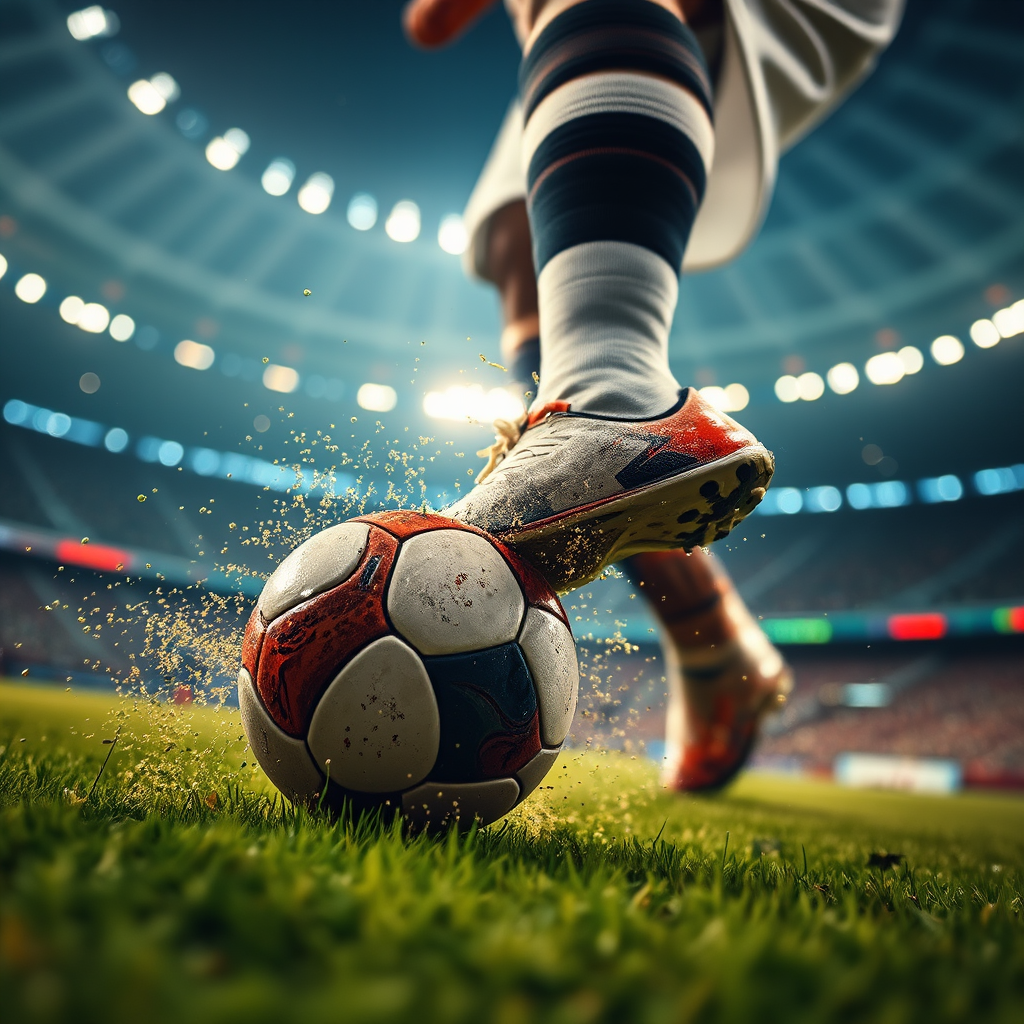
- Spend 5 minutes juggling the ball with your feet and knees. You will drop it constantly. That is normal.
- Dribble the ball in a straight line for 15 meters, then turn using the inside of your foot. Repeat ten times.
- Practice passing against a wall for 10 minutes. Use the inside of the foot, ankle locked, follow through toward the target.
- Find a friend and play a simple game: one ball, one goal marked by cones, no rules except no hands. Play to 10.
That is a complete beginner session. Notice what is missing: no offside rule, no throw-ins, no corners, no tactics. You do not need any of that in week one.
Basketball: Learn Dribbling and Shooting Without a Coach
Basketball feels intimidating because scoring looks difficult. It is not. The hoop is large, the ball is forgiving, and the fundamental skills can be practiced alone. What makes basketball difficult is the speed of the game when others play around you. Therefore, the beginner path is to isolate the fundamentals.
How to start handling the ball
Dribbling should be practiced low, with your knees bent and your head up. Keep the ball below knee height when you begin. Push the ball with your fingertips; do not slap it with your palm. If you can dribble for 30 seconds without looking at the ball, you are ready for the next step.
Shooting form in three steps
Hold the ball with your shooting hand under it and your non-shooting hand on the side as a guide. Bend your knees, keep your elbow in line with the basket, then extend your legs and arm in one motion. Release the ball on the way up, letting it roll off your fingertips with backspin. Do not jump far forward; jump straight up.
Practice layups before long-distance shots. A layup is worth the same points as a three-pointer taken from far away, but the layup is far more reliable for a beginner.
A practical first basketball session
- Dribble in place for 3 minutes: right hand, then left hand, then alternating.
- Dribble around the court perimeter slowly, changing direction at each corner.
- Practice form shooting from one meter away, focusing only on hand placement and follow-through. Aim for ten makes.
- Attempt ten layups from the right side, then ten from the left.
If you have played football before, you might be tempted to run and jump instinctively. Basketball rewards controlled steps and short, explosive movements. Slow down, especially in the first three sessions.
Tennis: From Zero to Rallying in One Hour
Tennis is the trickiest of the three to start alone because you need a partner or a wall. However, you can be rallying at a basic level within one hour if you accept a slower ball. The core idea: hit the ball over the net and inside the lines. That is it. Everything else is refinement.
The grip you should start with
The continental grip is the universal starting point. Place your hand on the racket handle as if you were shaking hands with it. This grip works for forehands, backhands, and serves, which is why beginners should not switch grips early. Switching grips on every shot is a skill for later, not for week one.
The beginner rally formula
Stand at the service line, not the baseline. The service line is closer to the net, the ball moves slower, and you have more time to react. Your aim is not power; it is consistency. Let the ball bounce, then hit it gently with a shortened swing. Keep your racket face flat and meet the ball in front of your body.
Your first tennis session
- Warm up your arm by bouncing the ball on the strings of your racket for 2 minutes.
- Hit against a wall for 10 minutes using only the forehand side. Count how many times you can hit it back without stopping.
- If you have a partner, rally from the service line. Agree that points do not count for the first 20 minutes.
- Finish with 5 minutes of serving practice: stand behind the baseline, toss the ball slightly forward, and hit it underhand first. Overhand serves come later.
The most common tennis beginner problem is swinging too hard. If your ball flies past the baseline repeatedly, slow your swing down by half. Control first, power later.
A Step-by-Step Weekly Plan That Mixes All Three Sports
You may want to try all three sports, which is a good impulse for finding what you enjoy. But mixing them poorly will exhaust you and produce slow improvement in all three. Here is a plan that treats each sport fairly while respecting recovery.
- Monday: Football session (40 minutes). Focus on passing and first touch.
- Wednesday: Basketball session (40 minutes). Focus on dribbling and form shooting.
- Friday: Tennis session (40 minutes). Focus on forehand rallying against a wall.
- Saturday or Sunday: Choose the sport you enjoyed most and play casually for up to an hour.
Between sessions, do not do additional intense physical training. Your body needs at least one day of recovery between muscle-stressing activities, especially if you are new. If a session leaves you sore for more than 48 hours, reduce the duration next week instead of stopping entirely.
Three Sports at a Glance: A Comparison Table for Beginners
Use this table to choose which sport to try first based on your current situation.
| Factor |
Football |
Basketball |
Tennis |
| Minimum equipment |
A ball and a flat open space |
A ball and a hoop (ideally public) |
A racket, tennis balls, a partner or wall |
| Can you practice alone? |
Yes, with a wall |
Yes, fully |
Yes, with a wall |
| Simplest first skill |
Inside-foot passing |
Low dribbling |
Forehand rally at close range |
| Typical first session time |
30–40 minutes |
30–40 minutes |
30–40 minutes |
| Physical demand on beginners |
Medium; running is required |
Higher; jumping and rapid stops |
Lower; short sprints with breaks |
Common Beginner Mistakes and How to Fix Them
Every beginner makes the same mistakes, regardless of sport. Recognizing them early will save you weeks of frustration.
Practicing everything in every session
If you try to improve dribbling, passing, shooting, and stamina in one hour, you will improve at none of them. Pick one primary skill per session. Add a second skill only after the first one feels automatic.
Ignoring recovery
Beginners often treat soreness as a sign of progress. Soreness is a signal that your muscles are adapting, not a trophy. If you are so sore that you cannot perform basic movements, take a rest day rather than pushing through.
Using the wrong posture
In football, standing upright makes ball control harder. In basketball, dribbling from a high position makes the ball easy to steal. In tennis, a stiff arm produces weak and inaccurate shots. The fix is the same in all three: bend your knees, keep your head up, and stay relaxed.
Chasing advanced techniques too soon
A football player who tries a bicycle kick in week two will fall on the ground and learn nothing. A basketball player who practices half-court shots in week two will reinforce poor form. A tennis player who attempts a spinning serve with a new toss will develop inconsistent movement. Master the simple version of each skill, then complicate it gradually.
Judging progress by a single session
One bad football practice does not mean you are regressing. One tennis session where you cannot hit the ball does not mean you lack talent. Look at a two-week window. If your average performance is improving, you are progressing.
Your Minimal Memory Checklist
Keep this list in mind before each session. It contains everything you actually need to remember.
- Football: First touch before shot. Pass with the inside of the foot. Move into open space when off the ball.
- Basketball: Dribble with fingerpads, not palm. Shoot from close range with proper form. Keep your head up.
- Tennis: Use the continental grip. Hit gently and keep the ball in play. Stand closer to the net as a beginner.
- For all sports: Warm up for 5 minutes, practice one skill, finish while you still have energy, and rest the next day.
- Important reminder: If you are following any sports guide that includes predictions or paid features, set a strict budget before you start and never exceed it. No sports analysis or tool can guarantee results. Your participation should remain a hobby with a clear financial limit.
Will This Guide Work for You? The Verdict Depends on Your Next Move
This minimal approach works if you need a low-friction way to start playing football, basketball, or tennis immediately. It will not work if you expect to become a competitive athlete within a month, or if you want deep tactical knowledge before touching a ball. For the casual beginner who wants to move, learn the basics, and decide which sport to pursue, the simple path described here is enough.
The deciding factor is not the information you have read today. It is whether you schedule your first session within the next 48 hours. A 30-minute practice session tomorrow is worth more than all the guides you will ever read. Choose one sport from the table above, pick one skill, and start.
 Hình minh hoạ: KUWIN


 Hình minh hoạ: tk88 app


 Hình minh hoạ: kubet



 Hình minh hoạ: uu88 bet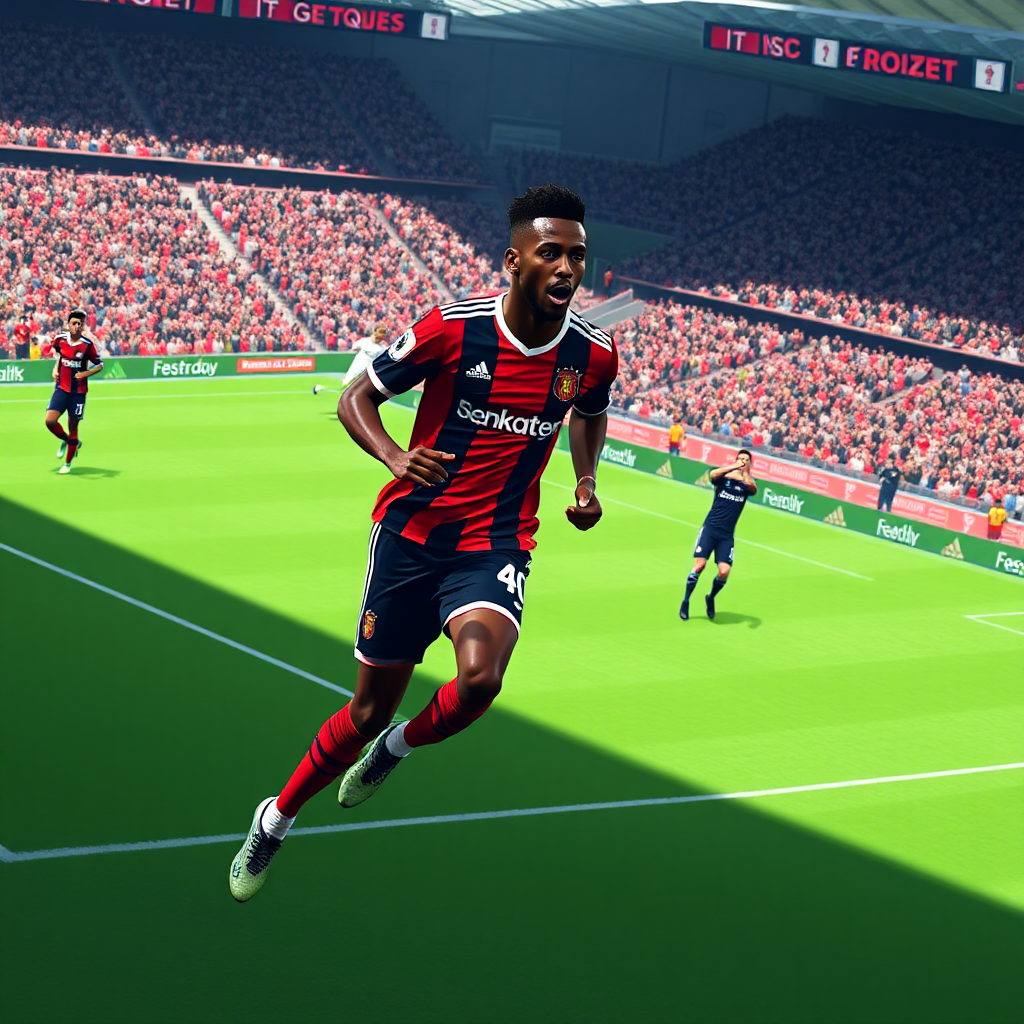



 Hình minh hoạ: CN3789


 Hình minh hoạ: TG88

 Hình minh hoạ: VN88


 Hình minh hoạ: FLY88

 Hình minh hoạ: 23WIN