Bundesliga Weekend Matchday Guide: Thrilling Encounters and Traditional Derbies on ku88.rent
You open your phone expecting a straightforward breakdown of Saturday’s Bundesliga fixtures, but instead you are hit with confusing odds formats, dozens of betting markets, and scattered schedule updates. The matchday feels like a crowded penalty box before kickoff. You just want to know which derby is worth watching, how to place a bet without guessing, and where to find reliable information quickly. Most guides drown you in theory before telling you what to click next. This approach flips that. You do not need to memorize advanced statistical models or chase trending parlays. You only need a clear sequence of actions, a fixed budget, and a way to access accurate fixture data without wasting time.
Stepping onto the Pitch as a Beginner
Treat your first matchday like learning basic positioning on the field. When you first join a side, you do not try to control midfield and attack simultaneously. You keep your shape, watch the ball, and react to what actually happens. The same principle applies when you navigate Bundesliga fixtures for the first time. Skip the complex handicap lines and alternate score markets. Focus on two or three straightforward options that mirror how you already follow the sport. Identify the starting eleven, note any major injuries, and pick either a match outcome or a simple goal total. That is enough to begin making informed selections without getting lost in unnecessary complexity.
The biggest hurdle for newcomers is decision paralysis. You stare at twelve different matches, each offering ten markets, and freeze. Instead, filter down immediately. Look for the headline fixtures, such as the Ruhr Derby between Borussia Dortmund and Schalke 04, or the Berlin clash between Union Berlin and Hertha BSC. These traditional derbies carry predictable intensity, tighter margins, and clearer tactical narratives. Once you isolate two or three games, you remove the noise. Decide on a maximum amount you are willing to allocate for the entire weekend. Lock that number in your head before you click anything. When you treat the session like a structured warm-up rather than a blind sprint, you keep your risk contained and your attention focused on actual match dynamics.
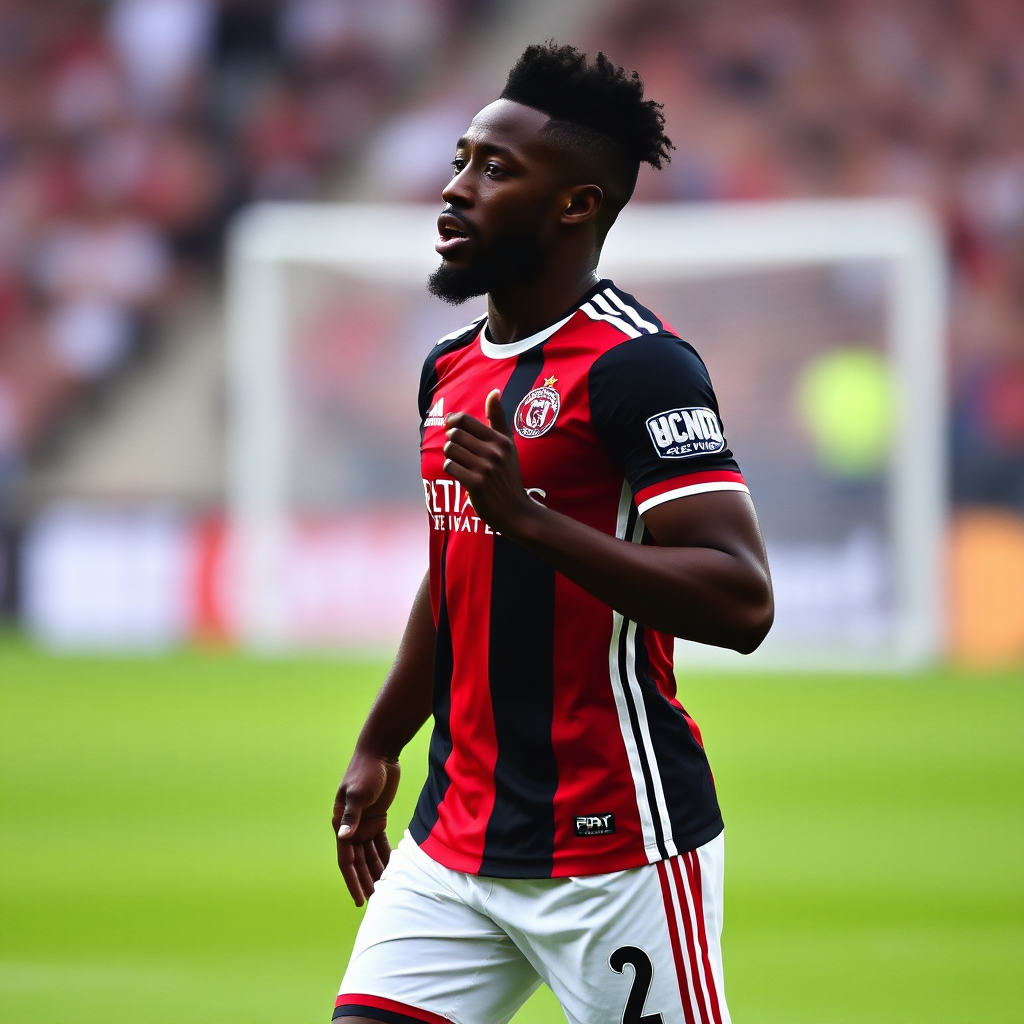
 Hình minh hoạ: link KU88
The Walkthrough from Kickoff to Final Whistle
Follow this sequence to move from idle browsing to a completed selection. Each step builds on the previous one so you never have to backtrack or second-guess your choices.
- Access the fixture board. Navigate to the sports section and locate the German top-flight league. Filter by the current matchweek so you see only Saturday and Sunday games. Ignore historical archives or future rounds until you understand the flow of the current schedule.
- Verify team news. Click into each selected match and scan the official lineup announcement window. Most platforms update confirmed starters roughly an hour before kickoff. Note absentees, returning suspensions, and unusual formations. A missing center-back changes defensive solidity; a rotated squad shifts momentum expectations.
- Select your primary market. Choose one core outcome. Double chance covers two results in a single ticket. Total goals over or under 2.5 reflects attacking tempo. Both teams to score captures transitional defenses. Pick only one per match to avoid diluting your analysis across competing variables.
- Check the price movement. Observe how the odds shift between initial release and kickoff. Sharp drops usually indicate heavy backing or late lineup changes. Small fluctuations suggest balanced bookmaker activity. Use this data to confirm whether your original assessment still holds water.
- Enter your stake and confirm. Type the exact amount tied to your pre-set budget. Review the slip for accuracy, verify the fixture date and market type, then submit. Do not add spontaneous legs after submission. Discipline at this stage separates casual observers from consistent participants.
If you prefer a centralized source for fixture tracking, market comparisons, and streamlined navigation, you can link KU88 to explore their dedicated sports interface designed for rapid matchday filtering. The platform organizes leagues by prominence, highlights derby matchups, and displays updated odds without forcing you to cross-reference multiple sites. That efficiency buys you time to review tactical setups rather than hunting for data.

Decoding the Terminology
Understanding the language keeps you from misreading signals. Below is a compact reference that maps standard terms to practical applications during a Bundesliga weekend.
| Term | What It Means | When to Use It |
|---|---|---|
| Home / Draw / Away | Standard three-way match result | When one side clearly dominates possession and creates higher-quality chances |
| Over / Under 2.5 Goals | Total combined goals exceed or fall below 2.5 | During high-pressing matchups or when both teams rotate conservative defenders |
| Both Teams to Score (BTTS) | Each side registers at least one goal | In derbies with open wide spaces and mismatched full-back units |
| Double Chance | Covers two of the three standard outcomes | When a favorite plays away against a defensively organized mid-table side |
| Accumulator | Combines multiple selections into one ticket | Only when each leg shares independent factors and carries low variance |
Keep this chart visible while you build your slip. Matching terminology to tactical reality prevents you from buying into markets that contradict what you see on the pitch. If a team parks the bus behind a back five, chasing over goals becomes counterproductive. If both managers press high up the field, BTTS gains logical weight. Align the label with the pattern, not the hype.

Common Traps That Lead to Yellow Cards
Mistakes rarely come from lack of knowledge. They emerge from rushed execution and emotional override. Track these patterns and adjust your workflow before they compound.
- Chasing a broken ticket. Adding extra legs after your original selection loses does not recover value. It multiplies exposure. Accept the outcome, reset your budget, and treat the weekend as a fresh block rather than a debt to settle.
- Ignoring pitch and weather conditions. Heavy rain, frozen turf, or narrow stadium dimensions alter passing networks and reduce shooting angles. Markets priced for dry, fast grass fail when the surface slows ball progression. Adjust expectations accordingly.
- Overloading accumulators. Combining six or seven matches into one ticket looks attractive because the payout multiplier grows. Probability works differently. Each additional selection introduces independent variance. Limit yourself to two legs maximum unless you have verified statistical separation between the fixtures.
- Playing without a stop-loss. Setting a daily or weekend cap prevents emotional escalation. When you exceed that threshold, you switch from observation to reaction. Reaction favors impulsive clicks, not structured analysis. Record your stakes, compare them to returns, and recalibrate before the next matchweek.
Treating each session like a training drill removes the illusion of control. You cannot dictate referee decisions, weather shifts, or sudden red cards. You can only manage your preparation, your market selection, and your financial boundaries. Stick to those parameters and the volatility stabilizes.
Your Pre-Match Checklist
- Confirm your available bankroll for the weekend and divide it into equal portions per fixture.
- Isolate two to three Bundesliga matches, prioritizing derbies or tactically contrasting matchups.
- Review confirmed lineups, recent form trends, and head-to-head patterns within the last six meetings.
- Choose one primary market per game and note the implied probability relative to the posted odds.
- Set a hard stop-loss limit and refuse to modify your stake after submission.
- Log your selections, rationale, and results for post-match review.
Frequently Asked Questions
How do I read Bundesliga odds accurately?
Odds reflect implied probability adjusted for bookmaker margin. Convert decimal odds to percentage by dividing 1 by the odd value and multiplying by 100. Compare that percentage against your own assessment of team strength, rest days, and tactical setup. Only place a wager when the posted probability diverges meaningfully from your calculated expectation.
Is it better to bet single matches or combine them?
Single selections offer higher win frequency and simpler tracking. Combinations increase potential payout but multiply failure points. Combine only when each leg operates independently and shares similar risk characteristics. Otherwise, stick to singles and scale volume through disciplined staking rather than inflated multipliers.
How can I track live match updates during the weekend?
Enable push notifications for your selected fixtures, monitor official club channels for injury substitutions, and watch for sharp odds shifts that indicate momentum changes. Avoid reacting to early goals or yellow cards unless you have pre-defined triggers for adjusting your approach mid-game.
What should I do if a team changes formation mid-game?
Formation shifts rarely reverse momentum instantly. Assess whether the change addresses a specific weakness, such as protecting a lead or pressing for an equalizer. If the adjustment aligns with your original market thesis, hold your position. If it contradicts your selection, accept the variance and wait for the next matchweek to reapply your framework.
If you commit to a fixed budget, focus on two or three clear markets per matchday, and treat the process as disciplined observation rather than guesswork, then this approach will serve you well. If you chase short-term excitement without tracking your results, the same methods will likely cost you more time and money than they return.